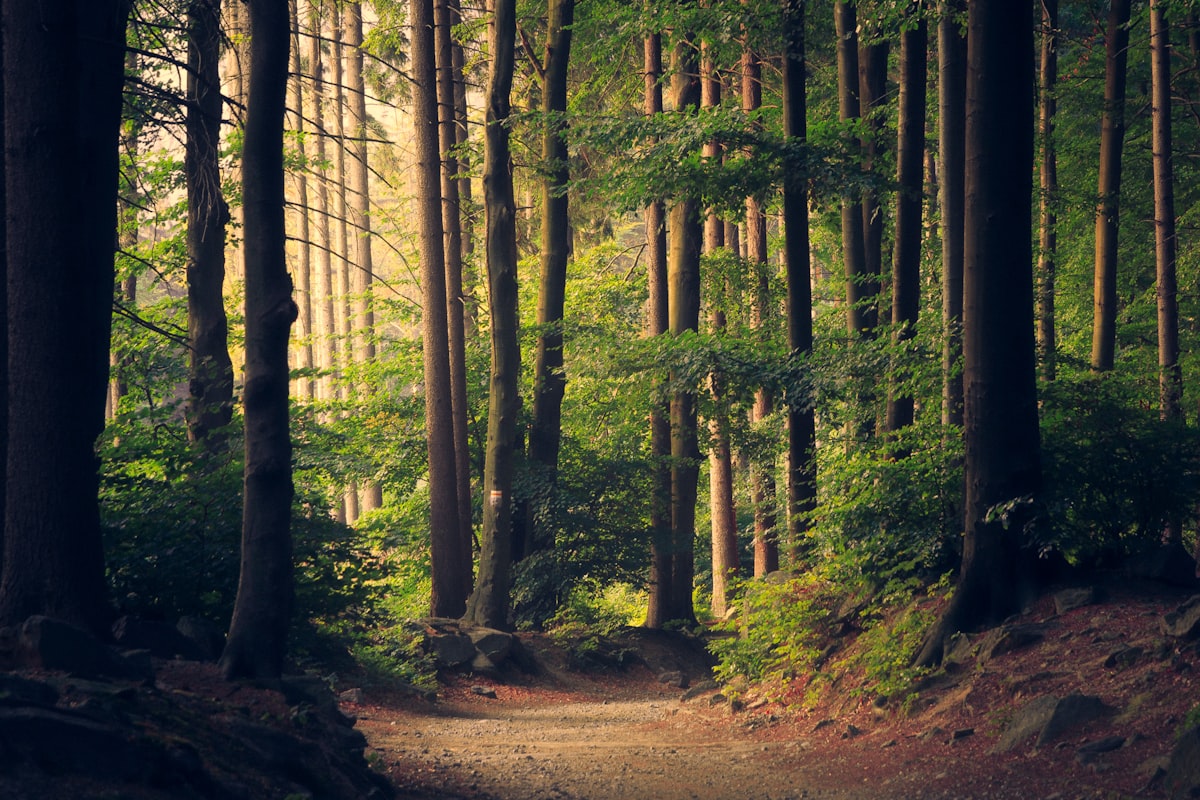
“Stepping off the crowded Shinkansen platforms to find dry moss gardens, centuries-old dark timber townhouses, and late-afternoon tea steam.”
Kyoto is a city experienced in frame rates of dynamic contrast. On one side, the neon flash of modern Japan; on the other, the deliberate, shadowed hush of centuries-old wooden machiya. To walk through the lesser-known quarters of Higashiyama at dawn is to observe a masterpiece of intentional geometry.
During my recent week staying in a restored tea merchant’s home, I made a rule to leave my phone off until noon. Without the constant beep of mapping software, my coordinates were chosen purely by physical curiosity: following the smell of toasted sesame or the chime of an unseen brass bell.
What I discovered was a lesson in slow curation. In Kyoto, beauty is never loud. It is tucked into a single pottery vessel holding a single dry twig, or in the soft, moist moss growing at the corner of a granite stepping stone. The residents spend years perfecting a single threshold, not for commercial praise, but for quiet alignment.
As blog-craft or WordPress developers look to translate these physical spaces into web layouts, the learning is clear: embrace negative space. Let columns breathe like the stone courtyards of Kyoto.