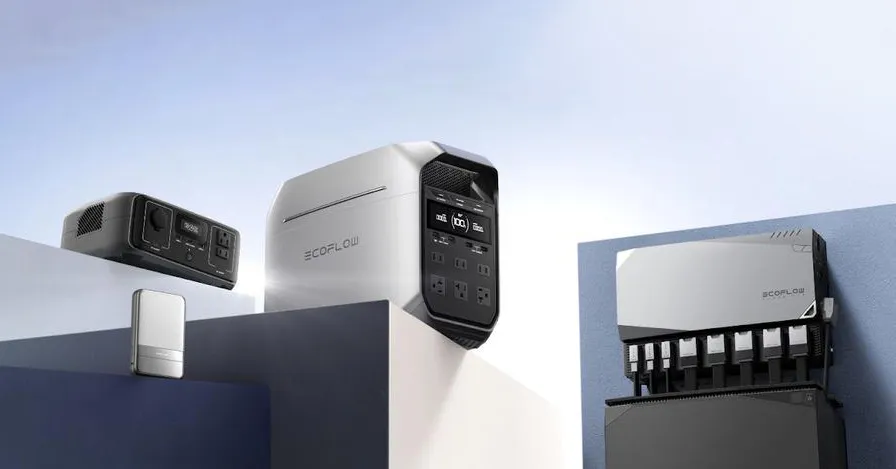
“Portable power stations keep you powered anywhere — camping, during outages, or on the road. Learn what specs matter and why EcoFlow leads the category.”
Power cuts happen without warning. Whether you are camping in a remote forest, working through a storm-related outage or simply trying to keep devices running during a long road trip, having a reliable source of backup energy changes everything. Portable power stations have become one of the fastest-growing categories in outdoor and home preparedness gear and for good reason. They are cleaner, quieter and safer than traditional fuel generators and the best models charge fast, hold charge well and can power far more than you might expect.
Not all portable power stations are built the same. The key specs to understand before buying are battery capacity (measured in watt-hours or Wh), output wattage (how many devices it can run simultaneously), charging speed and battery chemistry. A station with 500Wh of capacity is solid for weekend camping; anything above 1,000Wh starts to cover home backup needs like refrigerators, CPAP machines and routers.
Battery chemistry matters more than most buyers realize. Lithium iron phosphate (LFP) cells last significantly longer than standard lithium-ion, often 3,000 to 3,500 charge cycles versus 500 to 800, making them a better long-term investment even if the upfront cost is slightly higher. Recharge speed is another differentiator. Some stations can only be topped up via a wall outlet; others support solar, car charging and fast AC input simultaneously.
A 256Wh or 512Wh station is easy to carry on a hike or pack into a car. It will charge smartphones, run a small fan, keep a mini cooler cold and power LED lighting for a night or two. For home backup during extended outages, a 1kWh-plus station becomes the baseline. Medical devices, chest freezers and desktop computers all demand sustained output, so matching the station’s continuous wattage to your highest-draw appliance is essential before committing to a purchase.
For those who want to stay off the grid for longer periods, pairing a power station with solar panels creates a self-replenishing system. On a clear day, a good solar setup can fully recharge a 1kWh station in four to eight hours, no grid access required. EcoFlow has built an entire ecosystem around this use case, offering power stations that accept high solar input and expandable battery modules that scale capacity as needs grow.
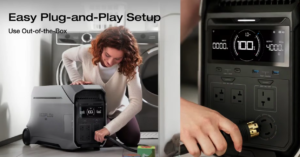
Among the growing number of brands in this space, EcoFlow has consistently differentiated itself through engineering choices that translate directly to real-world convenience. Its X-Stream fast-charging technology can bring certain models from flat to 80 percent in under an hour, a dramatic improvement over the five-to-eight-hour recharge times common on older power stations. The brand’s Delta series covers a wide capacity range, from compact travel units to large home-backup solutions and the Portable Power Station line includes models designed specifically for outdoor adventure.
The build quality reflects genuine attention to detail. Displays are bright and informative, app connectivity is stable and the output ports are thoughtfully arranged. AC outlets, USB-A, USB-C and car outputs are all available on most models, so you are not hunting for adapters. The companion mobile app shows real-time energy flow, estimated runtime and allows remote control of individual ports, useful when you have the unit running in another room or outdoors.
One of the strongest arguments for EcoFlow is the ecosystem depth. Buying a power station from a brand that also makes high-efficiency solar panels means the panels are tuned to the station’s charge controller, reducing energy loss and maximizing panel input. The Smart Generator can also serve as a backup for the backup, automatically kicking in when the battery drops below a set threshold. For anyone building a serious home resilience setup, having compatible components from one source simplifies planning considerably.
Expandable battery add-ons, smart home integrations and whole-home transfer switch compatibility push EcoFlow‘s more advanced products into territory that was once only occupied by permanent home battery systems at much higher price points. For renters, homeowners without solar installations and anyone who needs flexibility, the modular approach is genuinely practical.
Before placing an order, do a quick audit of your actual power needs
Portable power stations represent one of the more practical purchases in the preparedness and outdoor gear market. They serve a dual role, keeping camping trips comfortable and keeping households functional during emergencies and a well-chosen unit will last for years. Among the options worth serious consideration, EcoFlow covers more use cases, charges faster and offers more room to expand than most competitors at comparable price points.
Whether you are outfitting a van, preparing a home emergency kit or just tired of low-battery anxiety on trips, a capable power station is one of the most useful things you can own.