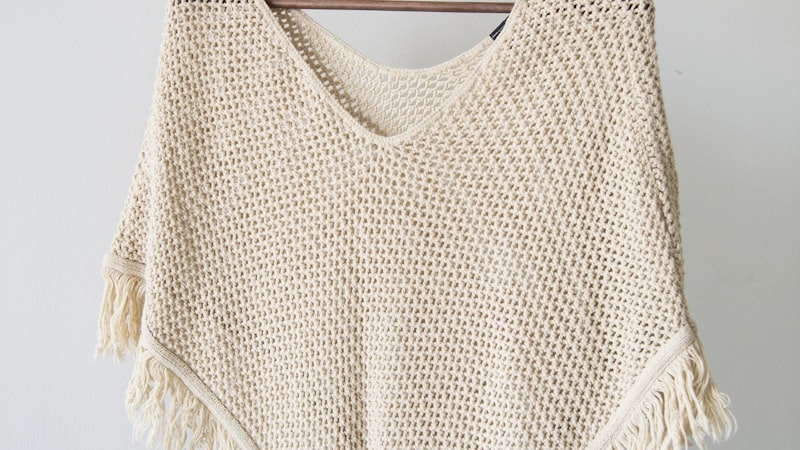
“Tracing how design studios are adopting raw walnut shells to tint delicate pure linen textiles.”
To step into a dye house that works with plants is to experience a rich olfactive universe of soil, dry bark, and boiling tannins. In industrial design districts, a new wave of fabric designers is turning away from petroleum-derived colors to explore the quiet depth of regional botanicals.
Using crushed green walnut husks, dried yellow weld flowers, and copper vats, they saturation-tint flax fibers into shades of deep moss, warm sand, and soft charcoal. Plant dyes do not yield a flat, homogenized tone; they react dynamically to the weave, resulting in subtle organic variations.
This botanical saturing requires days of slow preparation. The raw linen must be mordanted with alum to bind the vegetable pigments into the fibers, and then simmered in large copper cauldrons for hours. It is an art form driven entirely by slow chemistry.
The outcome is a fabric that looks alive, reflecting different color wavelengths under dawn sun and evening candlelight. It teaches us that slight imperfections are what give a surface its warmth and humanness.