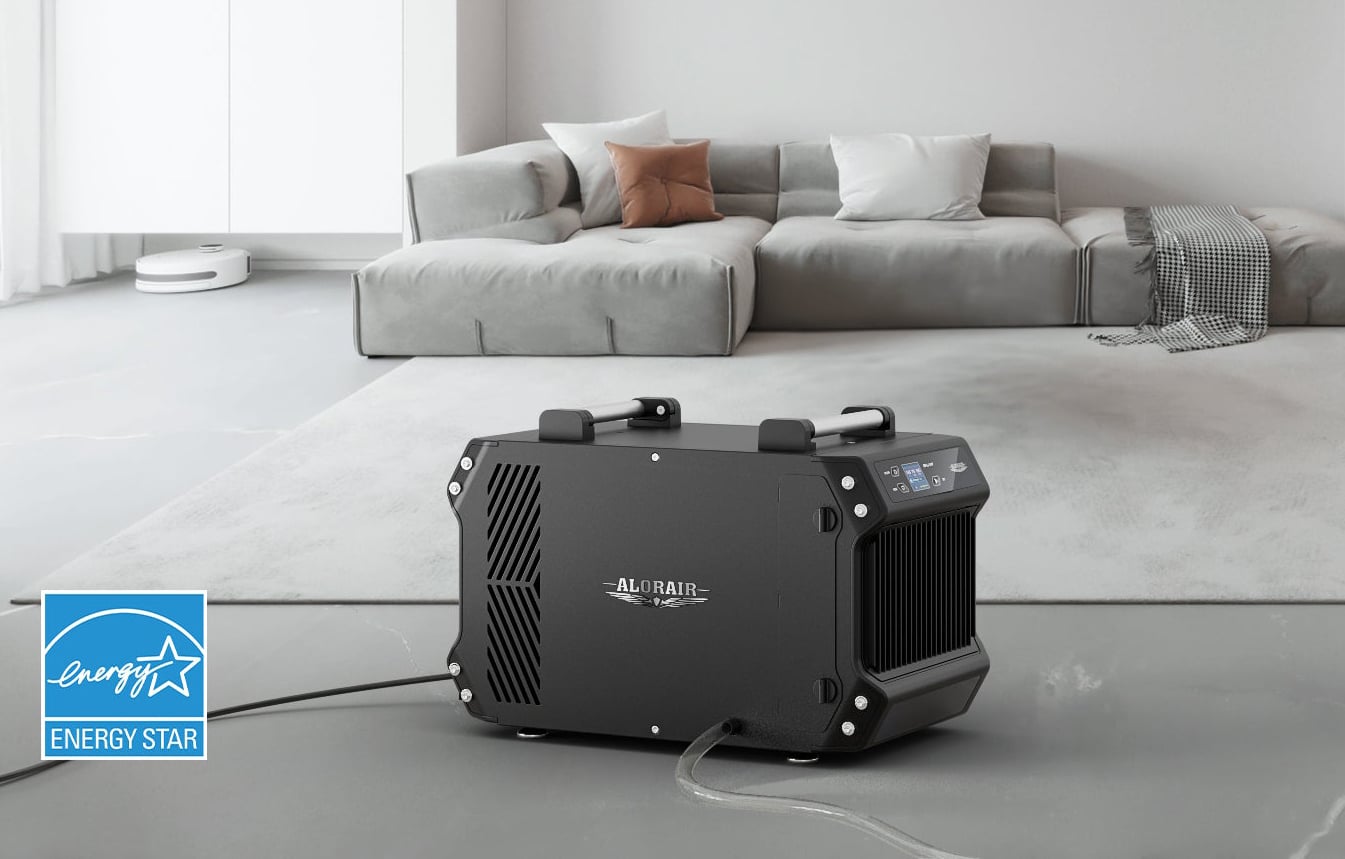
“Excess moisture in crawlspaces causes mold, structural rot, and poor indoor air quality. Discover how dedicated dehumidifiers from Alorair Crawlspace address these problems effectively.”
Most homeowners never think about what happens beneath their floors. Crawlspaces are out of sight and, for the most part, out of mind – until moisture damage becomes impossible to ignore. Mold growth, wood rot, pest infestations and rising humidity throughout the living space are all symptoms of a wet crawlspace. A dedicated crawlspace dehumidifier is one of the most effective tools for addressing these problems at the source, rather than treating symptoms after the fact. Alorair Crawlspace specializes in exactly this category of equipment, offering dehumidifiers built specifically for the demands of below-grade, enclosed environments.
A crawlspace sits between the ground and the first floor of a home and that position makes it uniquely vulnerable to moisture. Ground-level air carries higher humidity and soil can release moisture vapor continuously, especially in regions with high rainfall or a high water table. Without proper barriers and active moisture management, this vapor condenses on joists, subfloor materials, insulation and any other structural components in the space. Cold-climate homes face a different version of the same problem warm interior air meets cold crawlspace surfaces, condensation forms and the cycle of moisture damage begins. The problem compounds over time – what starts as elevated humidity can become visible mold within weeks and structural softening within months. A properly sized dehumidifier, like those offered by Alorair Crawlspace, interrupts this cycle by actively pulling moisture from the air before it can cause damage.
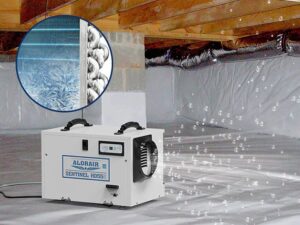
Standard room dehumidifiers are designed for conditioned, heated spaces. Crawlspaces often sit at temperatures well below what typical household units are rated to handle and their performance drops sharply in cold conditions. Many consumer dehumidifiers freeze up, coil over or shut down automatically when temperatures dip below 65°F – a common occurrence in crawlspaces, even in moderate climates. Crawlspace-specific dehumidifiers use different compressor and refrigerant technology to maintain effective moisture removal across a wider temperature range. They also tend to have larger water removal capacities, since crawlspaces can release significant amounts of moisture per day and they are built for continuous, unattended operation. Most drain automatically via a built-in pump or gravity drain, eliminating the need to empty a tank manually. The following features distinguish a purpose-built dehumidifier from a standard household unit
Getting the right size unit matters more than most homeowners realize. An undersized dehumidifier will run continuously without achieving target humidity levels, wearing out faster and consuming more energy for the amount of moisture it removes. An oversized unit cycles off too quickly, which can cause short-cycling and uneven humidity control. The right starting point is the square footage of the crawlspace and the severity of the moisture problem. Lightly damp crawlspaces in dry climates need less capacity than wet crawlspaces in humid coastal areas. Most manufacturers, including Alorair Crawlspace, provide sizing guides that account for both square footage and moisture load to help buyers select the appropriate model. For crawlspaces with active water intrusion or significant soil moisture, encapsulation with a vapor barrier is typically recommended alongside the dehumidifier for best results.
Placement within the crawlspace affects how well a dehumidifier performs. Units should be positioned near the center of the space where possible, allowing air to circulate freely to and from the unit. If the crawlspace is divided by piers, beams or HVAC ducts, airflow can be restricted and multiple units or supplemental fans may be necessary. The drain line should be routed to a suitable outlet – a sump pit, floor drain or exterior grade – with care taken to avoid backflow and to keep the line free of kinks. Power supply is another practical consideration crawlspaces may require a dedicated circuit for the dehumidifier, especially for higher-capacity models. Once installed, a quality crawlspace dehumidifier from Alorair Crawlspace operates with minimal maintenance – typically a filter cleaning or replacement every few months, depending on airborne particulate levels in the space.
What happens in the crawlspace does not stay in the crawlspace. Studies consistently show that a significant portion of the air inside a home enters through the crawlspace via gaps in the subfloor, utility penetrations and ductwork. Mold spores, volatile organic compounds from decaying wood and allergens that originate below the floor end up circulating through living areas. Controlling crawlspace humidity is therefore not just a structural concern – it directly affects the air that occupants breathe. Homeowners who invest in moisture control at the crawlspace level frequently report improvements in allergies, reduced musty odors and better overall air quality indoors. A well-maintained dehumidifier is one of the most direct paths to a healthier home environment and the range offered by Alorair Crawlspace is designed with long-term performance in this role in mind.
Addressing crawlspace moisture before it escalates into structural or air quality problems is far less costly than remediation after the fact. A purpose-built crawlspace dehumidifier is a practical, lasting solution for homes where moisture management matters.